Written by: Danielle C. Santana
Gold Tier Parks – the Rarest Nightscapes in the U.S.A.
Long before smartphones and glowing skylines, the night sky ruled the dark. But since the 1970s—when astronomers first sounded the alarm about light pollution—artificial light has only grown brighter and more relentless. In fact, urban light has increased by roughly 10 percent each year over the past decade, thanks to everything from LED streetlights to neon signs blazing through the night. That constant glow disrupts the natural rhythm of light and dark—confusing wildlife that rely on darkness to migrate or hide from predators, and throwing off our own sleep cycles in the process.
In 1988, astronomer David Crawford and physician Tim Hunter had a brilliantly simple idea: protect the night itself. They founded the International Dark-Sky Association, now known as DarkSky, sparking a global movement to reduce unnecessary lighting, conserve energy, and preserve true darkness. Along the way, they also helped ignite dark-sky tourism—inviting travelers to slow down, look up, and reconnect with the cosmos through stargazing, meteor showers, and even aurora chasing.
To recognize the very darkest places in the world, DarkSky awards Gold Tier designation, the highest certification for night sky quality. Parks and reserves with Gold Tier status offer exceptionally clear, star-packed skies with minimal light pollution, giving visitors an unforgettable view of the Milky Way, constellations, and even distant galaxies. Only the most pristine, carefully protected areas earn this honor, making them prime destinations for stargazers and night sky enthusiasts.
Today, some of the last best places to experience a truly star-packed sky are found in America’s Gold Tier National Parks like this one. Whether you’re listening to an astronomy talk, hiking toward a high viewpoint, or stretching out on a blanket in total peace, these parks offer front-row seats to the universe.
Pro tip: The sky puts on its darkest—and most dazzling—show during a new moon, so plan your trip around it (NASA’s moon-phase calendar is your friend). Keep an eye on the weather for clear skies, and head out at least an hour after sunset for the best views.
Ready to follow the stars? Here are 7 U.S. national parks with Gold Tier night skies where the universe steals the show:
1. Big Bend National Park, TX
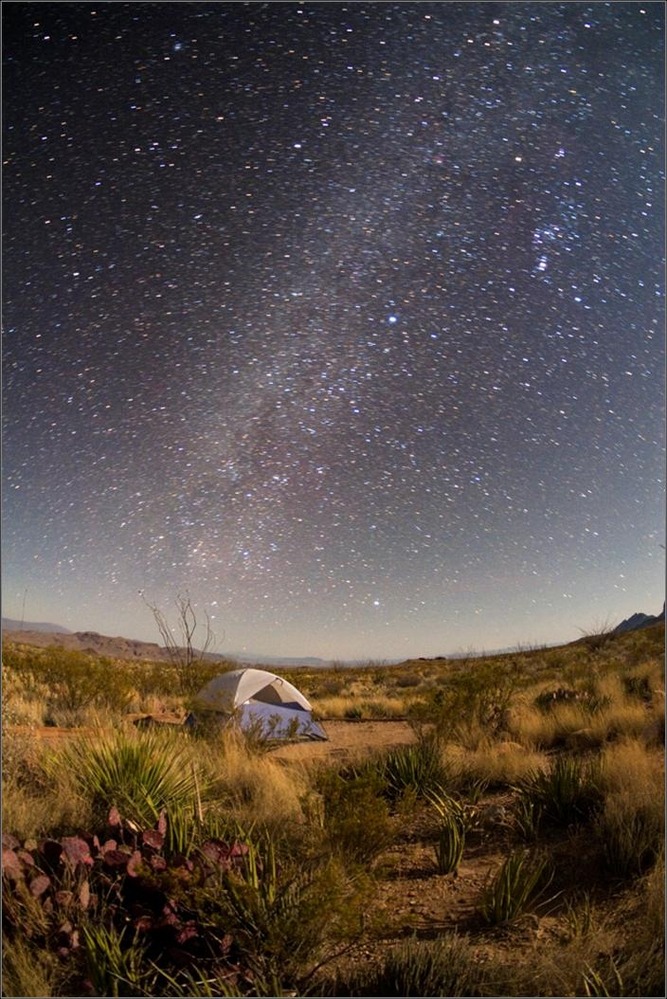
Big Bend National Park, Texas – Designated a Gold Tier International Dark Sky Park, Big Bend is one of the darkest places in the continental U.S., offering stargazers a front-row seat to the Milky Way, shooting stars, and endless constellations. By day, the rugged desert landscape bursts with ocotillos, prickly pear cacti, and agave, while creatures like javelinas, black bears, and roadrunners roam the canyons and riverbanks. At night, the desert awakens with ringtails, kit foxes, and desert bats, adding a hidden layer of life to the starlit silence. Whether you’re viewing the night sky in Chisos Basin, perched atop a high desert ridge, or hiking through a canyon under the moonlight, Big Bend’s Gold Tier skies create a truly unforgettable celestial and earthly experience—where the wonders of the cosmos meet the wild beauty of the desert.
Pro Tip: Time your visit around one of Big Bend’s star parties where ranger-led programs and community events like “Stars Over Big Bend” at the Panther Junction Visitor Center pair park rangers with powerful telescopes to help you spot planets, constellations, and distant galaxies under the region’s Class 1 Bortle skies—some of the darkest on Earth.
2. Bryce Canyon National Park, UT
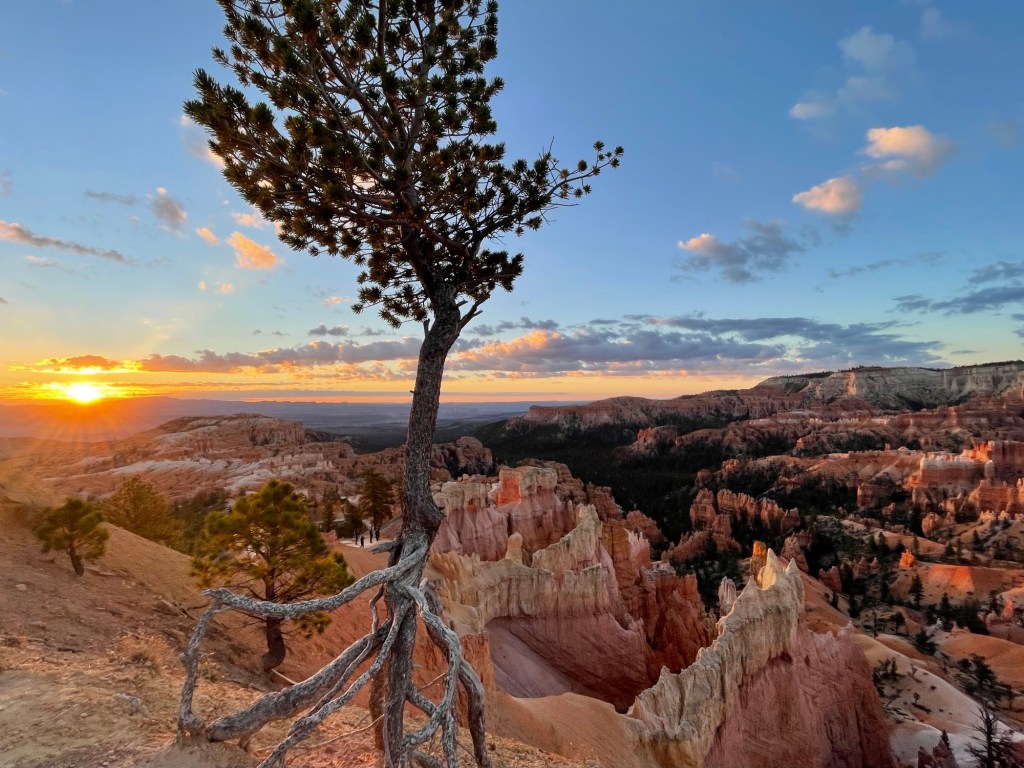
Nestled in southern Utah, Bryce Canyon National Park is a breathtaking landscape of crimson hoodoos, vast amphitheaters, and high-elevation ecosystems, earning its designation as a Gold Tier Dark Sky Park. By day, pinyon pines and junipers line the trails as mule deer, mountain lions, and the rare Utah prairie dog move through the park, while seasonal wildflowers brighten the plateaus. When night falls, Bryce’s skies ignite with stars, drawing visitors from around the world for its celebrated Astronomy Festival. Settle in, let your eyes adjust, and experience Bryce Canyon the way it was meant to be seen—under a sky filled with stars.
Pro Tip: Ride the Star Shuttle during the annual Astronomy Festival, which transports visitors between prime stargazing locations without the hassle of driving or searching for parking in the dark. Shuttle stops typically include the Shuttle Station, Ruby’s Inn Campground, Telescope Viewing Site, Sunset Campground, Bryce Lodge, and the North Campground Outdoor Theater, making it easy to enjoy ranger programs, telescope viewing, and astrophotography across the park.
3. Canyonlands National Park, UT
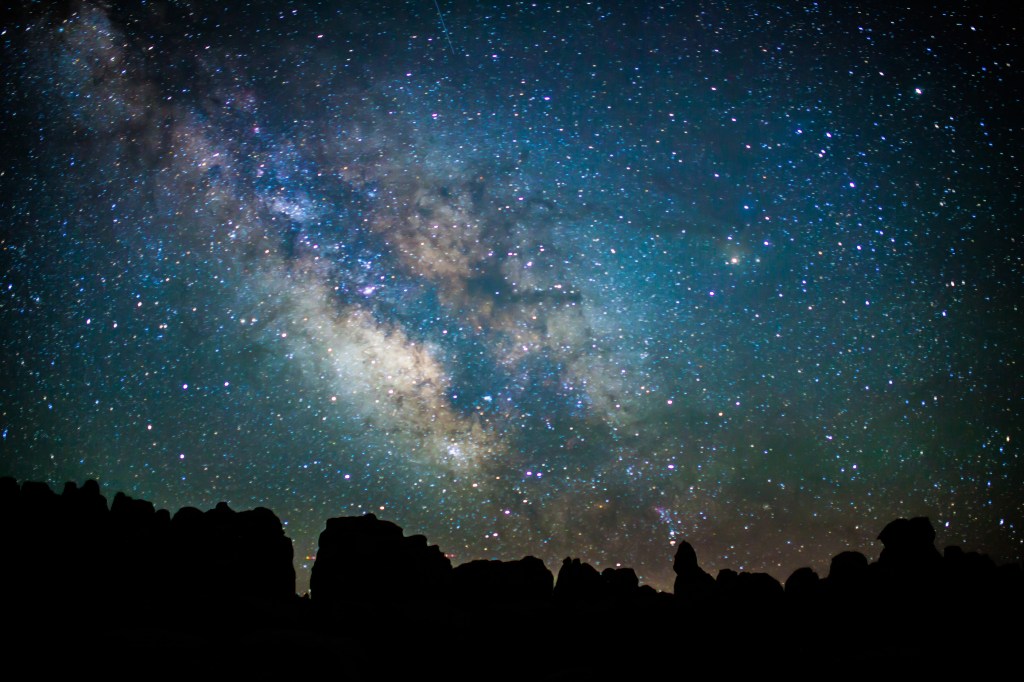
Photo Credit: NPS / Emily Ogden.
Canyonlands National Park is a place where raw geology, ancient human stories, and pristine night skies align. Sculpted by the Colorado and Green Rivers, its vast mesas, towering buttes, and labyrinthine canyons shelter resilient desert life—piñon pine and Utah juniper root into bare rock, desert bighorn sheep navigate steep terrain, black-tailed jackrabbits dart across open flats, and golden eagles soar overhead. After sunset, Canyonlands reveals one of its rarest treasures: Gold Tier–designated dark skies, among the darkest remaining in the contiguous United States. On moonless nights, the darkness is profound. While most Americans see only a fraction of the stars overhead, visitors here can witness thousands with the naked eye, the Milky Way stretching vividly across the sky. Under steady conditions, even basic binoculars may reveal Saturn’s rings—turning casual stargazers into lifelong enthusiasts.
Canyonlands proudly protects this natural darkness as a member of the Colorado Plateau Dark Sky Cooperative, working with Tribes, communities, and conservation partners to preserve the night.
Stargazing tip: arrive before sunset, allow at least 20 minutes for your eyes to fully adjust, and use a red-light flashlight—because in Canyonlands, the darker the night, the brighter the universe becomes.
4. Capitol Reef National Park, NV
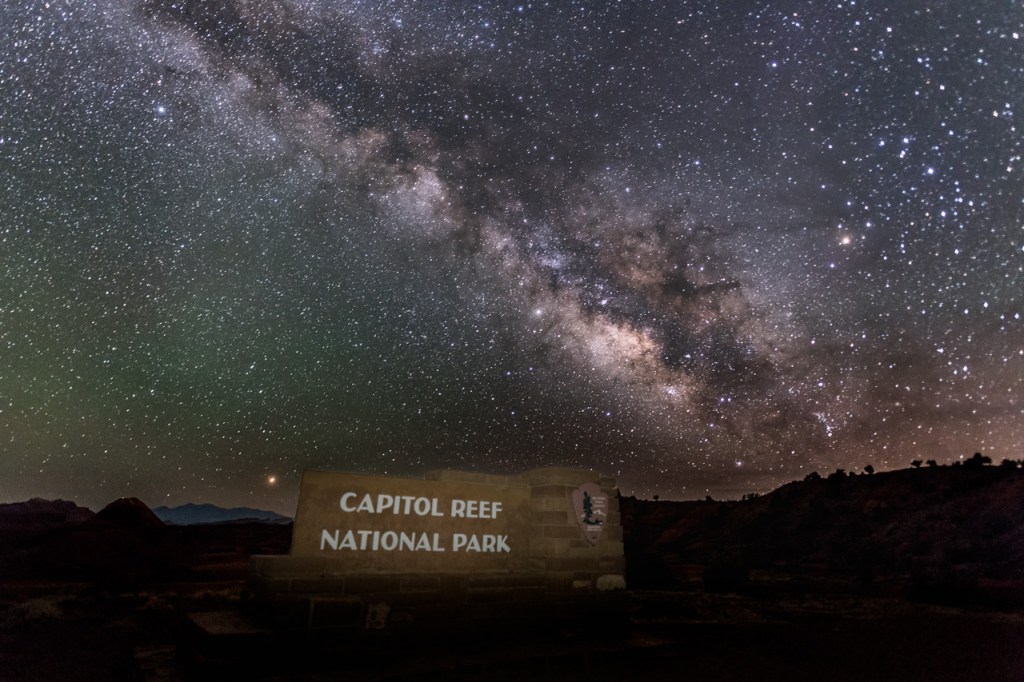
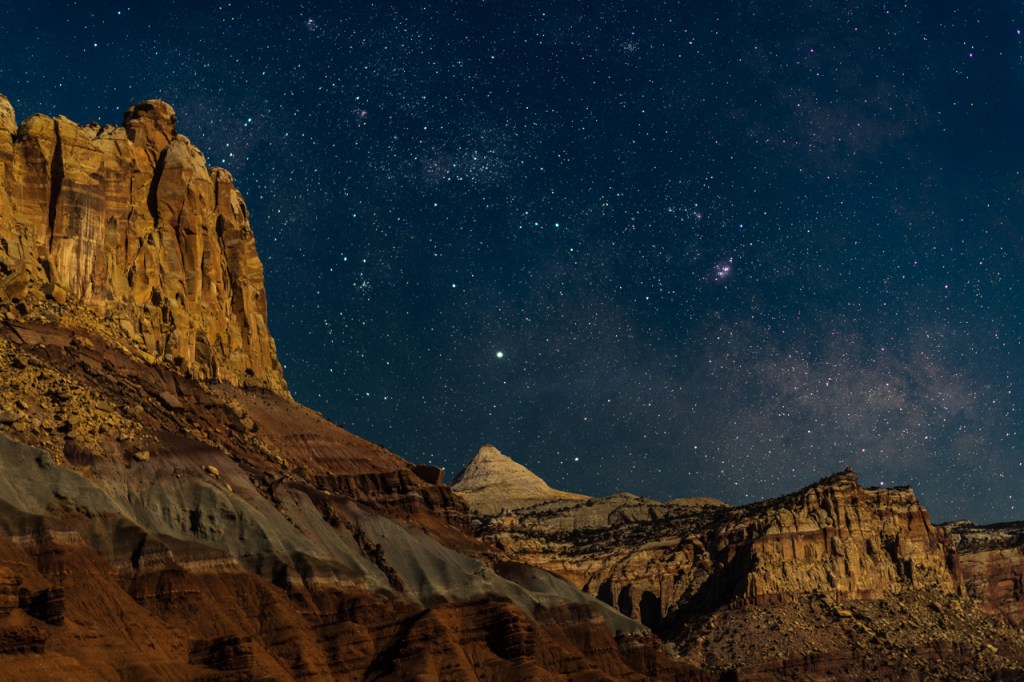
Capitol Reef National Park, Nevada. Photo Credit: NPS / Zoltan G. Levay
Capitol Reef National Park is where red rock canyons, cliffs, and the dramatic Waterpocket Fold meet some of the darkest skies in the West, earning it a Gold Tier International Dark Sky Park designation. By day, the desert teems with life—ringtails, raccoons, night snakes, owls, mountain lions, and 16 species of bats all rely on natural darkness to hunt, feed, and navigate, while migratory birds use the stars to find their way. By night, the park becomes a natural observatory, where the Milky Way stretches overhead in stunning clarity, inspiring wonder and supporting human health through darkness that encourages sleep and melatonin production. Each September, Heritage Starfest brings visitors together for ranger talks, telescope viewing, and unforgettable night skies, while careful stewardship of artificial light ensures both people and wildlife can thrive. Slow down, let your eyes adjust, and experience Capitol Reef the way it was meant to be seen—where night is more than time; it’s a landscape of stars.
Pro Tip: For an unforgettable experience, plan your visit around Heritage Starfest in September or check the park’s ranger-led astronomy programs for telescope viewing and expert guidance.
5. Death Valley National Park, CA
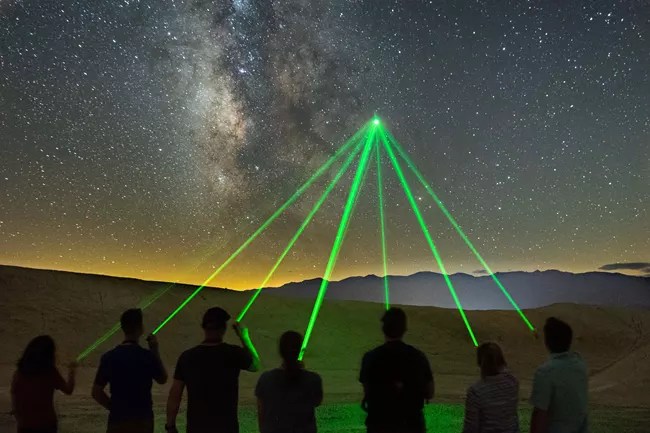
Death Valley National Park never closes—and at night, it’s a whole new kind of spectacular. Far from city lights and carefully managed to protect its darkness, the park is a Gold Tier International Dark Sky Park, where stars, planets, and celestial wonders shine brighter than almost anywhere else on Earth. Top spots for stargazing include Mesquite Flat Sand Dunes, Badwater Basin, Harmony Borax Works, and Ubehebe Crater, but really, anywhere away from roads and lodgings can deliver jaw-dropping views. For the best experience, visit during a new moon, bring binoculars, and use a red flashlight to preserve night vision. If you want a guided introduction to the cosmos, join a ranger program or plan your trip around the park’s Dark Sky Festival, a multi-day celebration with expert talks, NASA guests, and hands-on activities. Whether you’re pausing on a full moon hike at Badwater Basin or watching the Milky Way stretch over towering desert peaks, Death Valley at night is humbling, unforgettable, and a must-see for any stargazer.
Pro Tip: Want to turn your stargazing into a full-blown cosmic road trip? Extend your adventure on Park to Park in the Dark, Nevada’s first astro-tourism route connecting Death Valley National Park and Great Basin National Park, both International Dark Sky Parks. This remote drive winds through some of the darkest landscapes in the country, offering endless chances for stargazing, telescope viewing, and astrophotography—plus plenty to explore by day. Plan ahead: services are limited and towns like Beatty, Goldfield, Tonopah, Ely, and Baker are few and far between. The reward? Star-filled skies, quiet roads, and a front-row seat to the universe—proof that sometimes the best journeys happen after sunset.
6. Great Sand Dunes National Park and Preserve, CO
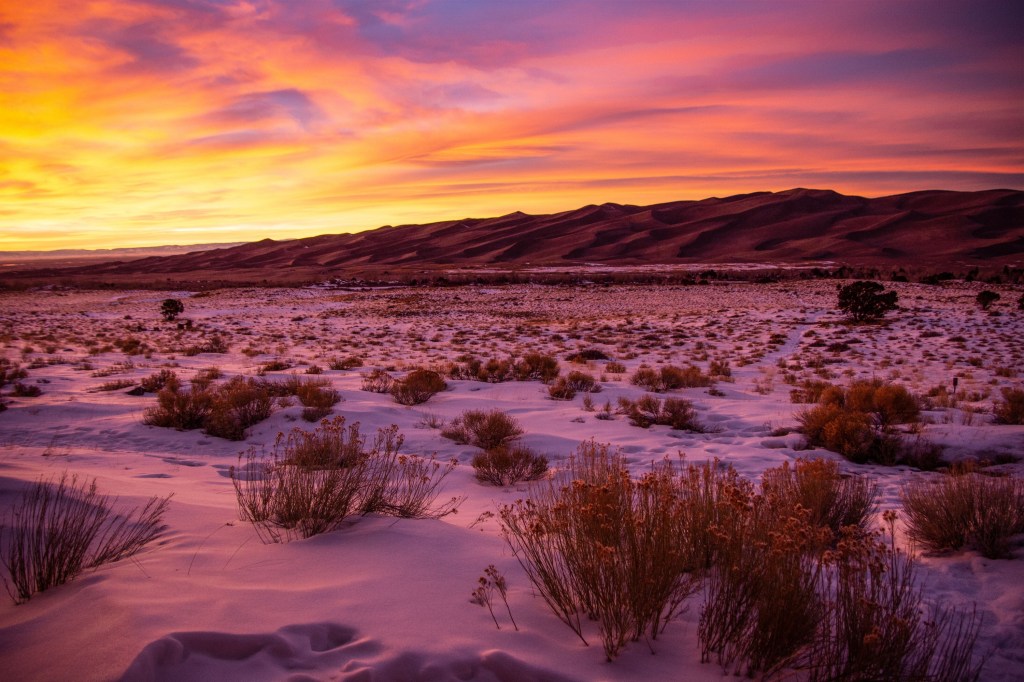
By day, Great Sand Dunes National Park and Preserve feels like a living contradiction—towering dunes rise against snowcapped peaks while cottonwoods, grasses, and wildflowers cling to seasonal creeks and wetlands that support elk, mule deer, kangaroo rats, owls, and migrating birds. By night, the park earns its place as a Gold Tier International Dark Sky Park, where protected darkness reveals sweeping views of the Milky Way, meteor showers, and planets glowing above the dunes. Rangers celebrate the night with stargazing programs, Junior Ranger Night Sky activities, and special full moon walks, inviting visitors of all ages to experience the dunes under silver light and star-filled skies. Whether you’re watching shadows ripple across the sand or listening to nocturnal wildlife come alive, Great Sand Dunes proves that some of the park’s most unforgettable moments happen after the sun goes down.
Skywatching Pro Tip: Time your visit around a new moon or a ranger-led night program for the darkest skies and the best views. The open dune field offers a wide horizon with almost no obstructions—perfect for spotting planets, meteor showers, and satellites—just be sure to check weather conditions and bring warm layers, as temperatures can drop quickly after sunset in this high-elevation park.
7. Great Basin National Park, NV
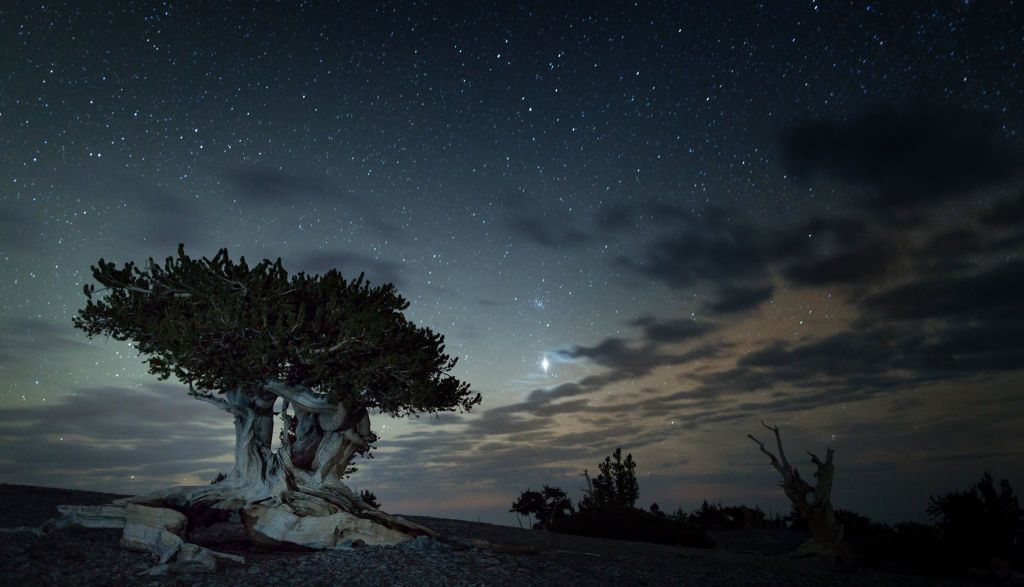
Great Basin National Park is where ancient life meets infinite night skies, earning its place as a Gold Tier International Dark Sky Park and one of the darkest destinations in the National Park System. By day, visitors wander among 5,000-year-old bristlecone pines, explore Lehman Caves, climb toward Wheeler Peak, and scan sagebrush valleys, piñon-juniper woodlands, and alpine meadows for mule deer, pronghorn, elk, owls, bats, and elusive mountain lions. When the sun sets, the park transforms into a natural observatory, with the Milky Way stretching overhead in breathtaking clarity—proof that here, the stars are part of the landscape.
Night is when Great Basin truly shines. Its remote location, high elevation, low humidity, and minimal light pollution create exceptional stargazing, celebrated through ranger-led astronomy programs all summer and the annual Astronomy Festival each September. For a truly unforgettable experience, board theGreat Basin Star Train, where park rangers—known as the Dark Rangers—guide visitors by historic rail into the heart of the desert for telescope viewing and constellation spotting.
Pro Tip: All aboard! Star Train tickets must be purchased in advance and often sell out—secure yours early to lock in one of the most unique night sky experiences in the National Park System.
 Dark Sky National Parks of the U.S.A.
Leave a comment